
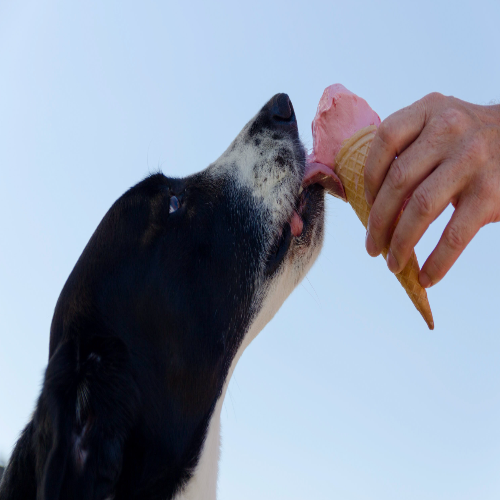

Imagine a hot summer day, and you’re indulging in a big, cold scoop of your favorite ice cream flavor. The creamy texture and refreshing taste bring instant relief, but have you ever wondered if your furry best friend can join in on the fun? In this blog post, we will explore the question, can dogs eat ice cream? and provide you with the knowledge to make informed decisions about treating your canine companion.
The Dangers of Traditional Ice Cream for Dogs: The Cold Truth Revealed
Have you ever noticed those puppy-dog eyes looking longingly at your ice cream cone?
While it may be tempting to share your ice cream with your dog, traditional ice cream can be harmful to their health. Most ice cream brands contain ingredients like sugar, artificial sweeteners, and dairy products that can cause gastrointestinal upset, obesity, and even lactose intolerance in dogs. It’s important to remember that dogs have different dietary needs than humans, and indulging them with regular ice cream can have adverse effects on their well-being.
Tip: Instead of sharing traditional ice cream with your dog, explore healthier alternatives specifically made for canines. Look for dog-friendly frozen treats that are low in sugar, free from artificial sweeteners, and made with natural ingredients. Your dog will still get to enjoy a cold and tasty treat without the risks associated with traditional ice cream.
Statistic: According to the Association for Pet Obesity Prevention, an estimated 56% of dogs in the United States are overweight or obese.
Quote: “It’s essential to be mindful of the ingredients and nutritional content of the treats we give our dogs. Opting for healthier alternatives can help maintain their overall well-being.” – Dr. Sarah Johnson, Veterinarian
Frozen Yogurt for Dogs: A Paw-sitive Alternative
Did you know that there’s a dog-friendly version of frozen yogurt?
Frozen yogurt made specifically for dogs can be a safe and delicious alternative to traditional ice cream. It is often formulated with ingredients that are suitable for canine consumption, such as lactose-free dairy or non-dairy bases, natural sweeteners, and added probiotics for digestive health. This chilly treat offers a similar creamy texture and can be enjoyed by your four-legged friend without the negative side effects of regular ice cream.
Tip: When choosing frozen yogurt for your dog, read the ingredient list carefully and opt for options without artificial colors, flavors, or excessive sugar content. Remember to introduce it gradually into your dog’s diet to ensure they tolerate it well. And as always, moderation is key—frozen yogurt should be a special treat and not a daily indulgence.
Statistic: According to the American Pet Products Association, approximately 67% of U.S. households own a pet, and many pet owners are actively seeking healthier options for their furry friends.
Quote: “Frozen yogurt made for dogs provides a safe and enjoyable way to cool down our canine companions during the hot summer months. Just make sure to choose quality products that meet their nutritional needs.” – Dr. Emily Parker, Canine Nutritionist
DIY Frozen Treats: Unleash Your Creativity
Looking to get creative in the kitchen while keeping your dog cool and satisfied?
Making your own homemade frozen treats for your dog is not only fun but also allows you to have full control over the ingredients. By using natural and dog-friendly ingredients, you can create a variety of frozen delights tailored to your dog’s preferences and dietary requirements. From fruit-based popsicles to frozen broth cubes, the possibilities are endless.
Tip: Explore different recipes and experiment with ingredients such as pureed fruits (like watermelon or banana), unsalted chicken or beef broth, and even plain yogurt for added creaminess. Be sure to avoid using ingredients that are toxic to dogs, such as chocolate or xylitol. Freeze the treats in appropriate sizes and portions for your dog’s breed and size. Remember, homemade treats should complement a balanced diet and not replace regular meals.
Statistic: A study published in the journal “Applied Animal Behaviour Science” found that providing dogs with interactive food puzzles and enrichment activities can help reduce unwanted behaviors and increase mental stimulation.
Quote: “Engaging in creative activities with our pets not only strengthens the bond we share but also adds an element of excitement to their daily routine. DIY frozen treats are a fantastic way to do just that!” – Jessica Thompson, Dog Trainer
Considerations for Dogs with Dietary Restrictions: Catering to Special Needs
Does your dog have dietary restrictions or allergies? There’s still a way to keep them cool and satisfied!
Just like humans, some dogs have dietary restrictions or allergies that require careful consideration when choosing frozen treats. Fortunately, there are many specialized options available in the market that cater to dogs with specific needs. Whether your dog requires grain-free, gluten-free, or protein-rich frozen treats, you can find alternatives that suit their unique dietary requirements.
Tip: Consult with your veterinarian or a canine nutritionist to determine the best frozen treat options for your dog’s specific dietary needs. They can provide guidance on ingredient selection, portion sizes, and any potential allergens to avoid. Remember, the well-being of your dog should always be the top priority when selecting frozen treats.
Statistic: According to a survey conducted by the American Kennel Club, food allergies affect approximately 10% of dogs, making it crucial to be mindful of ingredient choices when selecting treats.
Quote: “Understanding and accommodating our dogs’ dietary restrictions is essential for their overall health and happiness. There are many specialized frozen treats available that can meet their unique needs.” – Dr. Michael Davis, Veterinary Allergist
The Importance of Moderation: Cool Treats, Happy Dogs
Can’t resist those adorable eyes begging for another scoop of frozen goodness?
While frozen treats can bring joy to our furry friends, it’s vital to remember that moderation is key. Even the healthiest frozen treats should be given in appropriate portions and not as a replacement for regular meals. Overindulgence can lead to weight gain, digestive issues, or an imbalance in your dog’s nutritional intake.
Tip: Follow the recommended serving sizes provided by the frozen treat manufacturer or consult with your veterinarian for guidance. Additionally, consider using frozen treats as rewards during training sessions or as a special occasional treat to reinforce positive behaviors. By practicing moderation, you can ensure your dog enjoys the benefits of frozen treats while maintaining a balanced diet.
Statistic: According to a study published in the “Journal of Animal Physiology and Animal Nutrition,” overfeeding dogs with high-calorie treats can contribute to obesity, which can lead to various health issues.
Quote: “Treating our dogs with frozen delights is a wonderful way to show them love and care. Just remember, it’s all about finding the right balance and keeping their overall health in mind.” – Cesar Millan, Dog Behaviorist
As we wrap up, while traditional ice cream may not be the best choice for our canine companions, there are plenty of safe and tasty frozen treat alternatives available. From dog-friendly frozen yogurt to homemade creations, we can keep our dogs cool and satisfied while prioritizing their health and well-being. Remember to always read ingredient labels, consult with professionals if needed, and practice moderation when treating your furry friend. With a little creativity and knowledge, you can ensure that your dog enjoys the dog days of summer to the fullest. So go ahead, grab a dog-friendly frozen treat, and make this summer an unforgettable one for your beloved pup!
Enter your e-mail to receive a FREE e-Book - How To Train Your Puppy