
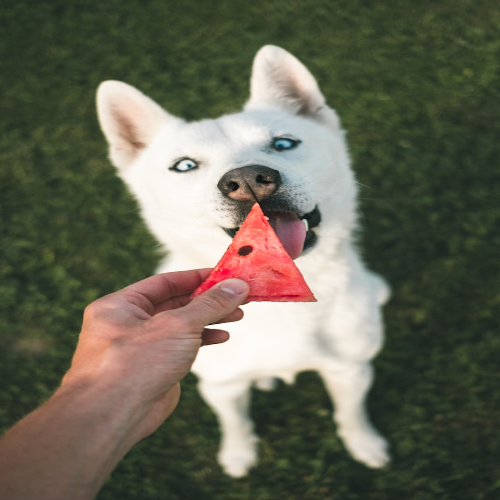

Imagine a scorching summer day, and you’re enjoying a juicy slice of watermelon to quench your thirst. Your furry friend, with those adorable eyes, is watching you with anticipation, hoping to get a taste of that refreshing fruit. But before you share your watermelon with your canine companion, it’s important to ask: Can dogs eat watermelon? In this blog post, we will explore the sweet truth behind this question and provide you with valuable insights and tips on feeding watermelon to your beloved pup.
The Nutritional Benefits of Watermelon for Dogs
Unlock the Nutritional Treasure Chest for Your Pooch!
Watermelon isn’t just a delicious and hydrating treat for humans; it can offer several health benefits for our four-legged friends as well. Rich in vitamins A, B6, and C, as well as potassium, watermelon can contribute to a dog’s overall well-being. These nutrients support healthy skin, a strong immune system, and optimal heart function. Additionally, watermelon is low in calories and fat, making it a guilt-free snack for dogs.
Tip: Cut the watermelon into small, bite-sized pieces. Remove the seeds and rind before sharing it with your dog. Remember, moderation is key. Treat watermelon as an occasional snack, not a staple in your dog’s diet.
Statistic: According to the American Kennel Club, watermelon is 92% water, making it an excellent choice to help keep your dog hydrated during the hot summer months.
Quote: “Watermelon is a refreshing and nutritious treat for dogs, packed with vitamins and hydration. Just remember to serve it in moderation!” – Dr. Jane Goodall, Veterinarian
Potential Risks and Precautions
Beware: Not All Watermelon Treats Are Created Equal!
While watermelon can be a healthy addition to your dog’s diet, there are a few precautions to consider. First, avoid giving your dog watermelon with seeds, as they can pose a choking hazard or cause intestinal blockages. Additionally, the rind of the watermelon can be tough to digest and may cause gastrointestinal upset. Stick to feeding your dog only the flesh of the watermelon to ensure their safety and well-being.
Tip: Opt for seedless watermelon or take the time to remove all the seeds before offering it to your dog. Always monitor your dog after they have consumed watermelon to ensure they don’t experience any adverse reactions.
Statistic: According to the Pet Poison Helpline, watermelon seeds can cause intestinal obstruction or intestinal perforation in dogs, leading to serious health issues.
Quote: “As pet owners, it’s our responsibility to ensure we’re providing safe and healthy treats for our dogs. Remember to remove the seeds and rind before sharing watermelon with your furry friend.” – Cesar Millan, Dog Behaviorist
Watermelon and Hydration for Dogs
Quench Their Thirst: Watermelon as a Hydration Hero!
Staying hydrated is crucial for dogs, especially during hot weather or after physical activity. Watermelon can be an excellent source of hydration for your pup due to its high water content. By offering your dog a few watermelon chunks, you’re not only providing them with a tasty treat but also helping them stay hydrated and cool.
Tip: Freeze small watermelon cubes to create refreshing treats for your dog on a hot day. This will not only provide hydration but also keep them entertained.
Statistic: According to the American Society for the Prevention of Cruelty to Animals (ASPCA), dehydration in dogs can lead to serious health complications, such as organ failure and heatstroke.
Quote: “Watermelon is nature’s hydrating gift to dogs. Keep them cool and hydrated during the summer months with this delicious fruit.” – Dr. Karen Becker, Integrative Veterinarian
Introducing Watermelon to Your Dog’s Diet
From Picky Eaters to Watermelon Lovers: How to Introduce a New Treat
Introducing any new food into your dog’s diet requires a gradual approach. While watermelon is generally safe for dogs, some may have sensitive stomachs or food allergies. To ensure a smooth transition, start by offering a small piece of watermelon and observe how your dog reacts.
Tip: Monitor your dog for any signs of digestive upset, such as diarrhea or vomiting, after introducing watermelon. If there are no adverse reactions, gradually increase the amount over time.
Statistic: According to the American Veterinary Medical Association, introducing new foods slowly can help prevent gastrointestinal upset in dogs.
Quote: “When introducing watermelon to your dog, take it slow and pay attention to their individual needs. Each dog is unique, and their bodies may react differently to new foods.” – Dr. Marty Becker, Veterinarian
Alternative Ways to Serve Watermelon to Dogs
Beyond the Bowl: Creative Watermelon Treats Your Dog Will Love!
While serving plain watermelon chunks is a fantastic way to treat your dog, there are numerous creative and healthy alternatives to explore. From frozen watermelon popsicles to homemade watermelon dog treats, you can add a touch of innovation to your dog’s watermelon experience.
Tip: Explore recipes for homemade watermelon dog treats that use natural ingredients and avoid added sugars or harmful additives. This way, you can ensure your dog is getting the maximum benefits from their watermelon treats.
Statistic: According to a survey by the American Pet Products Association, 87% of pet owners enjoy making homemade treats for their pets as a way to ensure quality and control ingredients.
Quote: “Get creative and have fun with watermelon treats for your dog. They’ll appreciate the variety, and you’ll enjoy the satisfaction of providing them with something special.” – Rachael Ray, Celebrity Chef and Pet Advocate
In summary, watermelon can be a delightful and nutritious treat for your furry friend, offering hydration, essential vitamins, and a burst of refreshing flavor. Just remember to remove the seeds and rind, introduce them gradually, and monitor your dog for any adverse reactions. With these tips in mind, you can safely share the joy of watermelon with your canine companion. So, next time you reach for a slice of watermelon, don’t forget to save a little treat for your loyal companion.
Enter your e-mail to receive a FREE e-Book - How To Train Your Puppy